Introduction
Bitcoin was the first cryptocurrency and remains the most widely known digital asset. After its launch in 2009, developers began creating new cryptocurrencies designed to introduce additional features, experiment with different technologies, or support new types of blockchain applications.
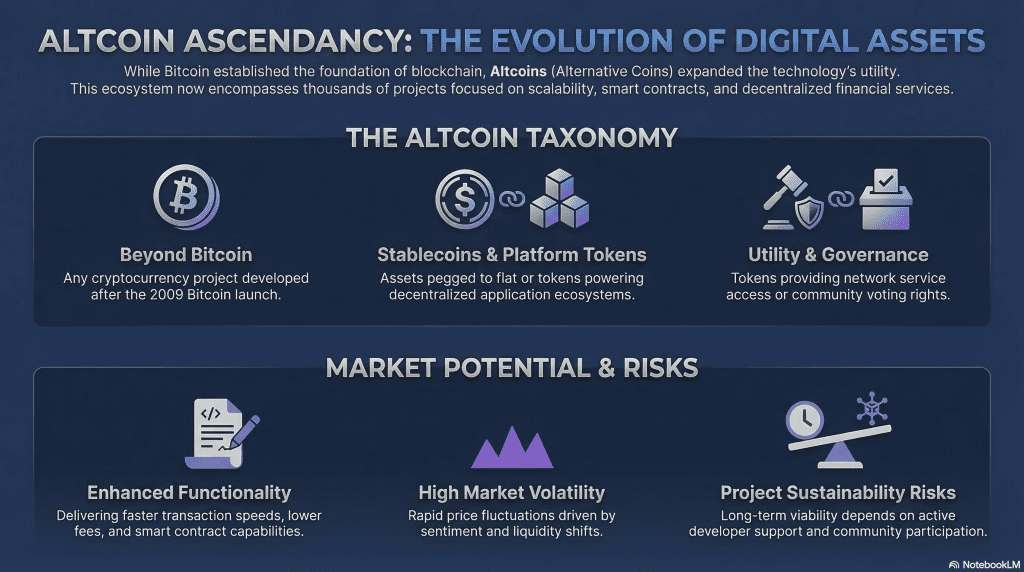
These alternative cryptocurrencies became known as altcoins, a term derived from “alternative coins.” Altcoins now represent a large portion of the cryptocurrency ecosystem, with thousands of projects developed for different purposes.
Some altcoins aim to improve technical aspects such as transaction speed, scalability, or energy efficiency. Others focus on enabling decentralized applications, financial services, or governance systems within blockchain networks.
Understanding what altcoins are and how they function provides useful context for exploring the broader cryptocurrency landscape beyond Bitcoin.
Key Takeaways
- Altcoins are cryptocurrencies other than Bitcoin. The term stands for “alternative coins.”
- Many altcoins were created to introduce new features such as faster transactions, lower fees, or additional blockchain functionality.
- Some altcoins support smart contracts, decentralized applications, and blockchain-based financial services.
- The cryptocurrency ecosystem now includes thousands of altcoins with different purposes and technical designs.
- Altcoins can vary widely in terms of technology, use cases, and network structure.
Disclaimer: Some links on this website are affiliate links. That means if you click and make a purchase, we may earn a small commission at no extra cost to you. The views expressed here are not official statements from any outside company.
What Is an Altcoin?
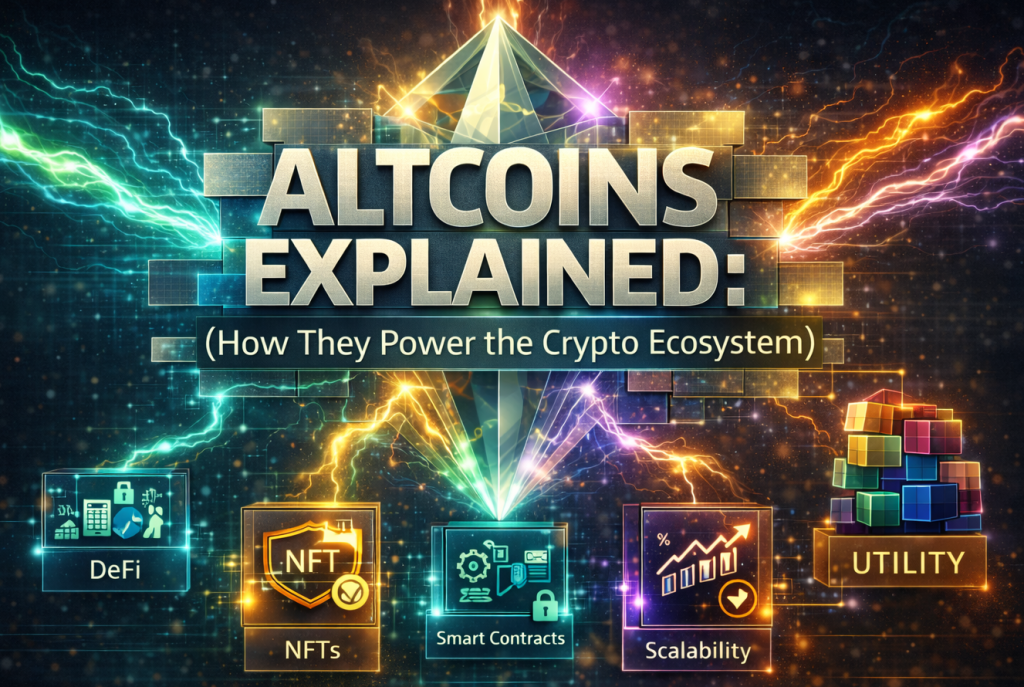
An altcoin is any cryptocurrency other than Bitcoin. The term combines the words “alternative” and “coin”, and it is commonly used to describe the wide range of digital currencies that were developed after Bitcoin.
Bitcoin introduced the first decentralized blockchain system. As the technology gained attention, developers began creating new cryptocurrencies designed to explore different features or improve certain aspects of blockchain networks.
Some altcoins aim to address perceived limitations of Bitcoin, such as transaction speed, scalability, or energy consumption. Others were created to support entirely different use cases, including decentralized finance (DeFi), smart contracts, or blockchain-based applications.
Altcoins can operate in different ways. Some run on their own independent blockchains, while others are created on existing networks using token standards. Because of this variety, the term “altcoin” covers a broad range of cryptocurrency projects with different purposes and technical designs.
How Altcoins Work
Altcoins operate using blockchain technology, similar to Bitcoin. A blockchain is a distributed ledger that records transactions across a network of computers known as nodes. Instead of relying on a central authority, the network validates and records transactions through predefined rules and consensus mechanisms.
When a transaction is made using an altcoin, it is broadcast to the network. Nodes verify that the transaction follows the network’s rules, such as confirming that the sender has sufficient funds and that the transaction is properly signed. Once verified, the transaction is added to a block and recorded on the blockchain.
Different altcoins may use different consensus mechanisms to confirm transactions and secure the network. Some networks use Proof of Work (PoW), which relies on computational power to validate blocks, while others use Proof of Stake (PoS) or other mechanisms that rely on token staking or validator participation.
Altcoins can also vary in how they are created. Some operate on their own independent blockchains with their own infrastructure. Others are issued as tokens on existing blockchain platforms, such as Ethereum, where they follow specific technical standards.
Because of these differences, altcoins can support a wide range of functions, including payments, decentralized applications, governance systems, and blockchain-based financial services.
Types of Altcoins
Altcoins can serve many different purposes within the cryptocurrency ecosystem. While each project may have unique features, many altcoins can be grouped into categories based on how they are designed to function.
Stablecoins
Stablecoins are cryptocurrencies designed to maintain a relatively stable value. They are typically linked to an external asset such as a fiat currency.
For example, many stablecoins are pegged to the U.S. dollar. This means one unit of the stablecoin aims to remain close to the value of one dollar. Stablecoins are often used for trading, payments, and transferring funds between cryptocurrency platforms without exposure to large price fluctuations.
Common examples include USDT (Tether), USDC, and DAI.
Platform Tokens
Platform tokens are cryptocurrencies that power blockchain ecosystems designed to support applications and services. These networks allow developers to build decentralized applications, often referred to as dApps.
The native token of the network is used to pay transaction fees, interact with applications, and sometimes participate in governance decisions.
Examples include Ethereum (ETH), Solana (SOL), and Avalanche (AVAX).
Utility Tokens
Utility tokens provide access to specific services within a blockchain ecosystem. They are often used within decentralized platforms to pay for transactions, use network services, or access certain features.
For example, a utility token may allow users to interact with a decentralized application or pay for computing resources on a network.
Governance Tokens
Governance tokens allow holders to participate in decision-making within certain blockchain projects. Token holders may be able to vote on protocol upgrades, changes to network parameters, or the allocation of development resources.
These tokens are often associated with decentralized finance platforms and community-governed blockchain protocols.
Meme Coins
Meme coins are cryptocurrencies that originated from internet culture or community-driven projects. While some began as experiments or jokes, several meme coins have developed active communities and market activity.
Examples include Dogecoin (DOGE) and Shiba Inu (SHIB).

Examples of Popular Altcoins
Many altcoins have gained recognition for introducing new features or supporting specific blockchain applications. The following examples illustrate how different altcoins contribute to the broader cryptocurrency ecosystem.
Ethereum (ETH)
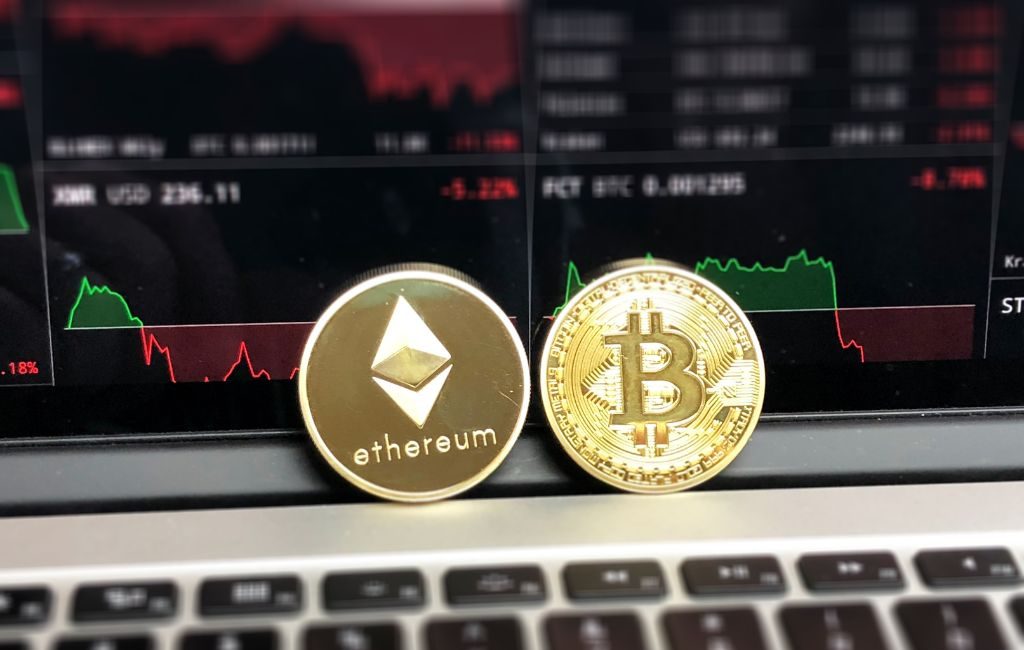
Ethereum is one of the most widely known altcoins. It introduced a blockchain platform designed to support smart contracts and decentralized applications (dApps). These features allow developers to build software that runs directly on the blockchain without relying on centralized services.
Ethereum’s network also serves as the foundation for many decentralized finance (DeFi) platforms and token projects.
Solana (SOL)
Solana is a blockchain platform designed to support high-speed transactions and scalable decentralized applications. The network uses a combination of consensus mechanisms intended to process transactions quickly while maintaining security.
Solana has become a platform used by developers building applications in areas such as decentralized finance, digital collectibles, and blockchain-based gaming.
Cardano (ADA)
Cardano is a blockchain network developed with a research-driven approach. The project emphasizes peer-reviewed academic research and a layered architecture designed to separate transaction processing from smart contract functionality.
Cardano uses a Proof of Stake consensus mechanism and focuses on scalability, sustainability, and interoperability.
Litecoin (LTC)
Litecoin is one of the earliest altcoins created after Bitcoin. It was designed to provide faster transaction processing and lower fees compared to Bitcoin by using a different hashing algorithm and block generation time.
Because of its similarities to Bitcoin, Litecoin is sometimes used as a testing ground for blockchain technologies.
Polkadot (DOT)
Polkadot is a blockchain platform designed to enable different blockchains to communicate and share information. Its architecture allows multiple specialized blockchains, known as parachains, to operate within a connected network.
This design aims to improve interoperability between different blockchain systems.
Why Altcoins Exist
Altcoins were developed to explore new ideas and expand the capabilities of blockchain technology beyond the original design of Bitcoin.
Bitcoin introduced the concept of a decentralized digital currency, but its primary purpose is to function as a peer-to-peer payment system and store of value. As blockchain technology evolved, developers began creating alternative cryptocurrencies that support additional features and different technical approaches.
One common reason altcoins are created is to improve certain aspects of blockchain performance. Some projects focus on increasing transaction speed, reducing fees, or improving network scalability.
Other altcoins were designed to support new types of applications. Platforms such as Ethereum allow developers to create smart contracts and decentralized applications, enabling blockchain use cases beyond simple value transfers.
Altcoins can also experiment with different governance models, consensus mechanisms, and network structures. These variations allow developers to test new approaches to decentralization, security, and interoperability.
Because of these innovations, altcoins play an important role in the ongoing development of the cryptocurrency ecosystem. They provide a space for experimentation and new ideas that may influence future blockchain technologies.
Risks and Considerations
Altcoins offer a wide range of technological approaches and use cases, but they also come with important risks and uncertainties. Because the cryptocurrency ecosystem evolves quickly, understanding these considerations can help provide context when evaluating different projects.
Market Volatility
Like many cryptocurrencies, altcoins can experience significant price fluctuations. Market prices may change rapidly due to factors such as investor sentiment, market liquidity, and broader economic conditions.
Project Sustainability
Not all cryptocurrency projects remain active over time. Some altcoins lose developer support, funding, or community participation, which can affect long-term viability.
Technological Complexity
Blockchain networks can vary widely in design. Differences in consensus mechanisms, network security models, and governance structures may affect how each altcoin operates.
Regulatory Environment
Regulations related to cryptocurrencies continue to evolve in many jurisdictions. Changes in legal frameworks or compliance requirements may affect how certain altcoins are developed, traded, or used.
Security Considerations
While blockchain systems are designed with cryptographic security, vulnerabilities can still arise in software code, smart contracts, or network infrastructure. These risks may impact certain projects more than others.
Understanding these factors helps provide a balanced perspective on the altcoin ecosystem and highlights the importance of evaluating cryptocurrency projects carefully.

Conclusion
Altcoins represent the wide range of cryptocurrencies developed after Bitcoin. While Bitcoin introduced the first decentralized digital currency, altcoins expanded the possibilities of blockchain technology by introducing new features, networks, and applications.
Many altcoins focus on areas such as faster transactions, smart contracts, decentralized finance, or improved scalability. Others experiment with different governance models and blockchain architectures. As a result, the term “altcoin” covers a broad spectrum of projects with different goals and technical designs.
Understanding what altcoins are and how they work helps provide a clearer picture of the cryptocurrency ecosystem. By exploring the different types of altcoins and their purposes, it becomes easier to see how blockchain technology continues to evolve beyond its original use as a digital payment system.
Frequently Asked Questions
What is the difference between Bitcoin and altcoins?
Bitcoin was the first cryptocurrency and operates on its own blockchain network. Altcoins refer to any cryptocurrencies created after Bitcoin, many of which introduce different features, technologies, or use cases.
How many altcoins exist?
There are thousands of altcoins in the cryptocurrency ecosystem. The number continues to change as new projects are launched and others become inactive over time.
Are altcoins the same as tokens?
Not always. Some altcoins run on their own independent blockchains, while others are created as tokens on existing networks such as Ethereum. Tokens follow technical standards defined by the underlying blockchain platform.
Can altcoins replace Bitcoin?
Altcoins were often created to explore new ideas or improve certain technical features. While some networks support additional functionality, Bitcoin remains the most widely recognized cryptocurrency.
Why are there so many altcoins?
The open-source nature of blockchain technology allows developers to create new cryptocurrencies and experiment with different designs. Many altcoins were created to test new applications, governance models, or technological approaches.