Introduction
Cryptocurrency markets have become one of the most active trading environments in the world. Unlike traditional financial markets that operate during limited hours, crypto markets run continuously, allowing participants to buy and sell digital assets at any time.
This accessibility has drawn increasing interest from new traders who want to explore opportunities in digital asset markets. However, the fast-moving nature of cryptocurrency prices can make the space difficult to navigate without a clear understanding of how trading works.
For beginners, the challenge is not simply opening an account or placing a trade. It is learning how to approach the market with the right expectations, tools, and risk awareness.
This guide provides a practical overview of crypto trading fundamentals. It explains how trading works, the main strategies beginners encounter, the differences between spot and derivatives markets, and the basic steps involved in starting to trade responsibly.
Key Takeaways
- Crypto trading involves buying and selling digital assets like Bitcoin or Ethereum to profit from price movements over short or medium timeframes.
- Cryptocurrency markets operate 24/7, which creates constant opportunities but also exposes traders to continuous volatility.
- Beginners should start with spot trading, since it is simpler and carries less risk than leveraged derivatives trading.
- Choosing a reputable exchange with strong security features is one of the most important first decisions for new traders.
- Successful trading relies on strategy and discipline, not impulse decisions or social media hype.
- Basic risk management practices such as position sizing, stop-loss orders, and portfolio diversification help protect trading capital.
- Most beginners improve over time by starting small, tracking their trades, and continuously learning from market behavior.

Understanding Crypto Trading
Crypto trading refers to the process of buying and selling digital assets in order to profit from changes in their market price. Instead of simply purchasing a cryptocurrency and holding it long-term, traders actively enter and exit positions as prices move.
At its core, trading relies on one basic idea: price fluctuation. Cryptocurrencies such as Bitcoin, Ethereum, and other digital assets constantly rise and fall in value depending on market demand, news events, liquidity, and investor sentiment. Traders attempt to take advantage of these movements by buying at a lower price and selling at a higher price.
Most crypto trading takes place on cryptocurrency exchanges, which function as digital marketplaces where buyers and sellers meet. On these platforms, assets are traded in pairs, meaning one asset is exchanged for another. For example, in a BTC/USDT pair, Bitcoin is being traded against the stablecoin USDT.
A typical trade follows a simple sequence:
- A trader deposits funds into an exchange account.
- They choose a trading pair (for example BTC/USDT or ETH/USD).
- They place a buy or sell order based on their strategy.
- The trade executes once the market matches the order.
While the process itself is straightforward, the challenge lies in timing and decision-making. Markets can move quickly, and successful traders rely on tools such as price charts, market analysis, and risk management strategies to guide their decisions.
For beginners, the goal is not to predict every price movement perfectly. Instead, it is to understand how the market functions, practice with small positions, and gradually build the skills needed to trade more confidently.

CCrypto Trading vs. Stock Trading
At first glance, crypto trading and stock trading appear similar. Both involve buying an asset with the expectation that its value will increase over time. However, the structure of cryptocurrency markets differs in several important ways that affect how traders approach them.
Market Hours
One of the biggest differences is market availability.
Traditional stock markets operate during fixed hours on weekdays. Once the market closes, trading stops until the next session.
Cryptocurrency markets, on the other hand, operate 24 hours a day, seven days a week. This constant availability allows traders to react immediately to news or market events, but it also means price movements can happen at any time.
Volatility
Cryptocurrency markets are generally more volatile than stock markets. While stocks often move a few percentage points in a day, cryptocurrencies can experience much larger price swings within short periods.
This volatility creates more opportunities for traders, but it also increases risk. Prices can move rapidly in either direction, making risk management especially important.
Regulation
Stock markets are heavily regulated and supervised by financial authorities in most countries. Companies listed on stock exchanges must follow strict reporting and transparency requirements.
Cryptocurrency markets are still developing in terms of regulation. Some exchanges operate under clear regulatory frameworks, while others function in jurisdictions with fewer restrictions. As a result, traders must pay closer attention to the reputation and security of the platforms they use.
Ownership Structure
When you buy a stock, you are purchasing a share of ownership in a company. That share may provide certain rights, such as dividends or voting power.
When trading cryptocurrencies, you are buying a digital asset rather than a stake in a business. The value of that asset typically depends on supply, demand, network usage, and broader market sentiment.
Settlement Speed
Stock transactions often require a settlement period, meaning ownership transfers can take one or two days to finalize.
Crypto transactions settle much faster. Depending on the network and exchange, trades can be completed within seconds or minutes.
Understanding these differences helps beginners adjust their expectations. Crypto trading operates in a faster, more volatile environment than traditional markets, which makes preparation and discipline especially important.

Common Myths About Crypto Trading
New traders often enter the crypto market with expectations shaped by headlines, social media, or stories of rapid profits. While cryptocurrency trading can offer opportunities, many popular beliefs about it are misleading. Understanding these myths can help beginners approach the market with a more realistic perspective.
Myth 1: Crypto Trading Is Easy Money
Stories of traders making large profits can create the impression that trading cryptocurrency is simple. In reality, consistent trading success requires research, strategy, and risk management.
Prices can move quickly in either direction, and many beginners experience losses while learning how markets behave. Profitable trading usually develops through experience rather than quick gains.
Myth 2: You Need Large Capital to Start
Another common misconception is that trading requires thousands of dollars. Most exchanges allow users to trade fractional amounts of cryptocurrency, meaning beginners can start with relatively small investments.
Starting small can actually be beneficial, as it allows new traders to learn how markets work without exposing large amounts of capital to risk.
Myth 3: Successful Traders Always Win
Even experienced traders experience losses. Trading involves probabilities rather than certainty, and no strategy works perfectly every time.
Successful traders focus on managing losses and protecting capital, rather than trying to win every trade.
Myth 4: You Must Watch the Market All Day
While some professional traders monitor markets constantly, this is not necessary for everyone. Many traders use tools such as limit orders, alerts, and stop-loss orders that automatically manage trades based on predefined conditions.
This allows traders to maintain discipline without constantly watching price movements.
Myth 5: Crypto Trading Is the Same as Investing
Trading and investing are related but different activities. Traders typically focus on short-term price movements, while investors buy assets with the intention of holding them for longer periods.
Some market participants combine both approaches, but understanding the difference helps beginners choose strategies that match their goals.
Recognizing these myths early can help new traders avoid unrealistic expectations and approach the market with a more balanced mindset.
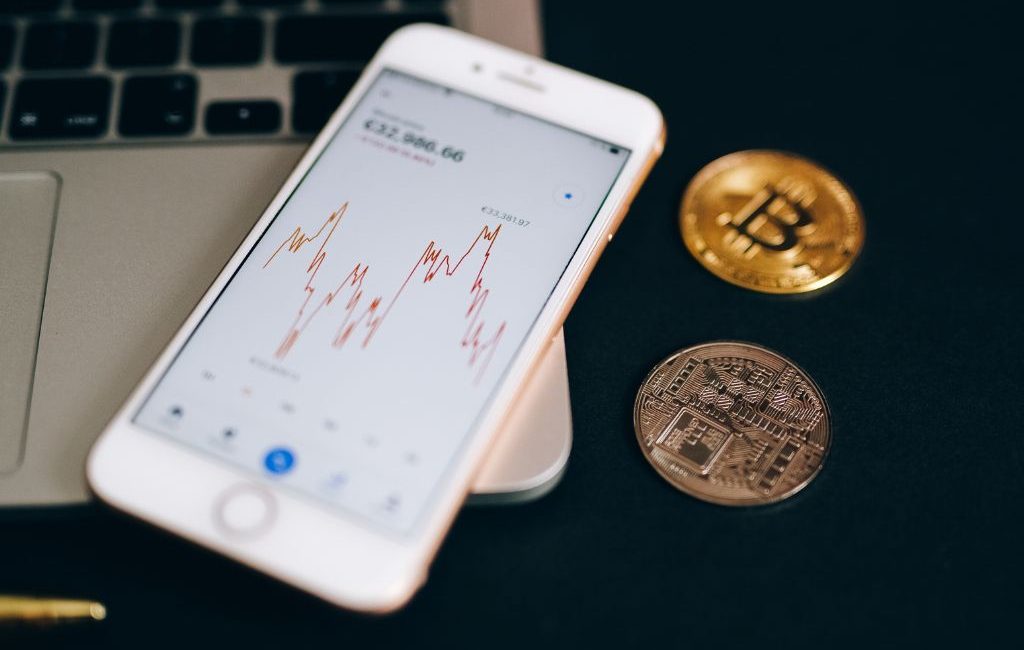
Basic Crypto Trading Strategies
Crypto traders use different strategies depending on their goals, experience level, and the amount of time they can dedicate to the market. While some methods involve frequent trades, others focus on capturing larger market trends over longer periods.
For beginners, understanding the most common approaches can help identify a style that fits their schedule and risk tolerance.
Day Trading
Day trading involves opening and closing positions within the same day. Traders attempt to profit from short-term price movements by analyzing charts, indicators, and market momentum.
Because day trading requires frequent monitoring of the market and quick decision-making, it can be demanding for beginners. It also exposes traders to higher stress and transaction fees due to the number of trades executed.
Swing Trading
Swing trading focuses on capturing price movements that occur over several days or weeks. Instead of reacting to every small fluctuation, swing traders aim to identify broader trends and enter positions that may develop over time.
This strategy is often more manageable for beginners because it does not require constant market monitoring.
Long-Term Holding (HODLing)
Some traders combine active trading with longer-term positions. This approach, often referred to as HODLing, involves purchasing a cryptocurrency with the intention of holding it through market fluctuations in anticipation of long-term growth.
While not strictly a trading strategy, many beginners start with this approach while learning more advanced trading techniques.
Other Advanced Strategies
As traders gain experience, they may explore additional strategies such as scalping, arbitrage, or automated trading using bots. These methods often require deeper market knowledge, faster execution, or specialized tools.
For beginners, it is usually best to start with simpler strategies and gradually expand as experience grows.
The key is not choosing the most complex strategy, but finding one that allows you to trade consistently, manage risk effectively, and learn from each market cycle.

Spot Trading vs. Derivatives Trading
Before placing your first trade, it is important to understand the difference between spot trading and derivatives trading. These two approaches operate differently and involve very different levels of risk.
Spot Trading
Spot trading is the simplest and most common form of crypto trading. In a spot trade, you buy or sell a cryptocurrency at its current market price, known as the spot price.
When you buy a cryptocurrency through spot trading, you own the asset directly. For example, if you purchase 0.1 Bitcoin, that Bitcoin becomes part of your holdings and can be stored in a wallet, transferred, or sold later.
Spot trading is generally considered the best starting point for beginners because it is straightforward and does not involve borrowed funds or complex financial contracts.
Derivatives Trading
Derivatives trading involves contracts that track the price of a cryptocurrency rather than the asset itself. These contracts allow traders to speculate on whether a price will rise or fall.
Common crypto derivatives include:
- Futures contracts
- Perpetual swaps
- Options contracts
Many derivatives platforms allow traders to use leverage, which means borrowing funds to increase the size of a trading position. While leverage can amplify profits, it also significantly increases potential losses.
For example, a small price movement against a leveraged position can quickly lead to liquidation, meaning the trader loses their entire position.
Why Beginners Usually Start With Spot Trading
Because derivatives trading introduces leverage and additional complexity, it is generally recommended that beginners start with spot trading first.
Spot trading helps new traders understand:
- How price movements work
- How to place orders on exchanges
- How to manage positions without excessive risk
Once traders gain experience and develop risk management skills, they may decide to explore derivatives markets more carefully.
Choosing a Crypto Exchange
Before you can begin trading, you need to choose a cryptocurrency exchange. Exchanges are the platforms where traders buy and sell digital assets, manage their balances, and execute trades.
For beginners, selecting a reliable exchange is one of the most important early decisions. The platform you choose affects your security, trading fees, and overall trading experience.
Centralized Exchanges (CEX)
Centralized exchanges are the most common option for beginners. These platforms are operated by companies that manage trading infrastructure, custody of funds, and user accounts.
Popular centralized exchanges include platforms such as Coinbase, Binance, and Kraken.
Centralized exchanges typically provide:
- Simple account registration
- Fiat currency deposits (USD, EUR, etc.)
- High liquidity for major cryptocurrencies
- Customer support and educational resources
Because they offer user-friendly interfaces and clear trading tools, centralized exchanges are usually the easiest starting point for beginners.
Decentralized Exchanges (DEX)
Decentralized exchanges operate differently. Instead of relying on a central company to facilitate trades, these platforms allow users to trade directly from their own crypto wallets through smart contracts.
Examples include platforms like Uniswap.
DEX platforms provide more control over funds and typically do not require identity verification. However, they can be more complex to use and may involve additional steps such as connecting wallets and paying network transaction fees.
For beginners, decentralized exchanges often come later, once they are more familiar with how wallets and blockchain transactions work.
What to Look for in a Beginner-Friendly Exchange
When evaluating exchanges, beginners should focus on several key factors:
- Security features such as two-factor authentication and cold storage
- Transparent fee structures for trading, deposits, and withdrawals
- User-friendly interface that makes placing trades easy to understand
- Supported cryptocurrencies for assets you plan to trade
- Reliable customer support in case you encounter issues
Starting with a reputable exchange helps reduce unnecessary risks while you learn how the market operates.
Once you gain experience, you may explore additional platforms, but beginning with a well-established exchange provides the most stable entry point into crypto trading.

How to Start Trading Crypto (Step-by-Step)
Once you understand the basics of crypto trading and have chosen a reliable exchange, the next step is learning how to place your first trade. The process is straightforward, but following a structured approach can help beginners avoid common mistakes.
1. Create an Exchange Account
Start by signing up on a reputable exchange such as Coinbase, Binance, or Kraken.
Most centralized exchanges require identity verification (often called KYC — Know Your Customer). This typically involves uploading a government-issued ID and confirming your email address.
Although the process may take a little time, it adds an important layer of security and regulatory compliance.
2. Deposit Funds
After your account is verified, you can deposit funds into your exchange account.
Most platforms support several funding options:
- Bank transfers
- Debit or credit cards
- Crypto transfers from another wallet
For beginners, depositing a small amount first is a good way to become familiar with the platform.
3. Choose a Trading Pair
Cryptocurrencies are traded in pairs, meaning one asset is exchanged for another.
For example:
- BTC/USDT – Bitcoin traded against the stablecoin USDT
- ETH/USD – Ethereum traded against US dollars
Beginners often start with highly liquid pairs such as Bitcoin or Ethereum because they typically have smaller price spreads and more stable trading conditions.
4. Place Your First Trade
Most exchanges offer two basic order types:
Market orders
These execute immediately at the current market price. They are simple and commonly used by beginners.
Limit orders
These allow you to set the exact price at which you want to buy or sell. The order executes only if the market reaches your chosen price.
Learning how these order types work is a key step in understanding how trading platforms operate.
5. Monitor Your Position
After placing a trade, monitor how the market moves relative to your entry price. Some trades may reach profit targets quickly, while others may require patience.
This stage is where traders begin developing their ability to interpret price movements and market trends.
6. Secure Long-Term Holdings
If you plan to hold cryptocurrencies for longer periods rather than actively trading them, consider moving them from the exchange to a personal wallet.
Hardware wallets such as Ledger or Trezor provide additional security because they store private keys offline.
7. Start Small and Learn
The most important step for beginners is simple: start small.
Early trades should focus on learning how the market behaves rather than trying to maximize profits. Over time, experience and discipline become far more valuable than any single trade.
With practice, traders begin to recognize patterns, manage risk more effectively, and build strategies that fit their personal goals.

Risk Management Basics
One of the most important lessons in crypto trading is that protecting your capital matters more than chasing profits. Cryptocurrency markets are highly volatile, and even experienced traders encounter losses. Effective risk management helps ensure that a few bad trades do not wipe out your entire portfolio.
Only Trade What You Can Afford to Lose
This principle is often repeated because it is essential. Cryptocurrency prices can change quickly, and markets sometimes move unpredictably. Beginners should avoid using money needed for essential expenses such as rent, bills, or savings goals.
Starting with smaller amounts allows traders to learn how markets behave without exposing themselves to unnecessary financial stress.
Use Stop-Loss Orders
A stop-loss order automatically closes a position when the price reaches a specific level. This helps limit losses if the market moves against your trade.
For example, if you buy Bitcoin at $30,000 and place a stop-loss at $29,000, the trade will close automatically if the price drops to that level. This prevents small losses from turning into much larger ones.
Manage Position Size
Position sizing refers to how much of your total capital is used for a single trade. Many traders follow a rule that limits risk on each trade to a small percentage of their portfolio.
For instance, risking only 1–2% of total capital per trade can help protect your account during periods of market volatility.
Avoid Excessive Leverage
Some trading platforms offer leverage, which allows traders to borrow funds to increase the size of their positions. While leverage can amplify gains, it also increases the risk of significant losses.
For beginners, it is generally safer to avoid leveraged trading until they have developed more experience and a consistent strategy.
Control Emotional Trading
Emotions often lead to poor trading decisions. Fear of missing out (FOMO) may cause traders to buy at high prices, while panic can lead to selling during temporary price declines.
Developing a trading plan and sticking to it helps reduce emotional reactions to short-term market fluctuations.
Learn From Every Trade
Both profitable and losing trades offer valuable lessons. Keeping a record of trades including the reasoning behind each decision can help identify patterns and improve future strategies.
Over time, disciplined risk management becomes one of the most important factors in building long-term trading success.

Conclusion: Start Small and Build Experience
Crypto trading can offer new opportunities, but it also requires patience, discipline, and a willingness to learn. Markets move quickly, and beginners who approach trading without preparation often experience unnecessary losses.
The most effective way to begin is by focusing on the fundamentals. Learn how exchanges operate, understand basic trading strategies, and practice managing risk before attempting more advanced techniques. Starting with smaller trades allows you to gain real experience while limiting potential losses.
Over time, traders develop their own approaches to the market. Some prefer short-term strategies such as day trading or swing trading, while others combine trading with longer-term investing. Regardless of the strategy, consistent learning and careful decision-making remain essential.
Crypto trading is not about predicting every price movement perfectly. Instead, it is about building knowledge, refining strategies, and maintaining discipline as markets evolve.
By starting small, using reliable platforms, and applying sound risk management principles, beginners can gradually build the experience needed to navigate cryptocurrency markets with greater confidence.

Frequently Asked Questions (FAQs)
What is crypto trading?
Crypto trading is the process of buying and selling cryptocurrencies in order to profit from price movements. Traders typically use online platforms called exchanges to trade assets such as Bitcoin or Ethereum against other cryptocurrencies or traditional currencies.
How much money do I need to start trading crypto?
Most exchanges allow users to begin trading with relatively small amounts of money. In many cases, beginners can start with as little as $10–$50. Starting with smaller amounts can be helpful while learning how markets behave and how trading platforms work.
Is crypto trading risky?
Yes, cryptocurrency trading carries significant risk due to market volatility. Prices can change quickly, and traders may experience losses as well as gains. Using risk management strategies such as stop-loss orders and position sizing can help reduce potential losses.
What is the difference between crypto trading and investing?
Crypto trading typically focuses on short-term price movements, with traders buying and selling assets frequently. Investing, on the other hand, usually involves purchasing cryptocurrencies with the intention of holding them for a longer period based on expected long-term growth.
Do I need to verify my identity to trade crypto?
Many centralized exchanges require identity verification to comply with financial regulations. However, decentralized exchanges may allow users to trade directly from their wallets without providing personal information.
Can beginners make money trading crypto?
It is possible, but success in trading usually requires time, education, and experience. Many beginners spend their early trades learning how markets move and developing strategies rather than focusing solely on profits.
Should beginners use leverage?
Leverage increases both potential gains and potential losses. Because of the additional risk involved, beginners are generally advised to focus on spot trading until they have developed stronger trading experience and risk management skills.
4 thoughts on “Crypto Trading for Beginners: A Practical Guide to Getting Started”